Rogue Lineage Houses, Lords & City Control
How player organizations work — and how they can save or end your run.
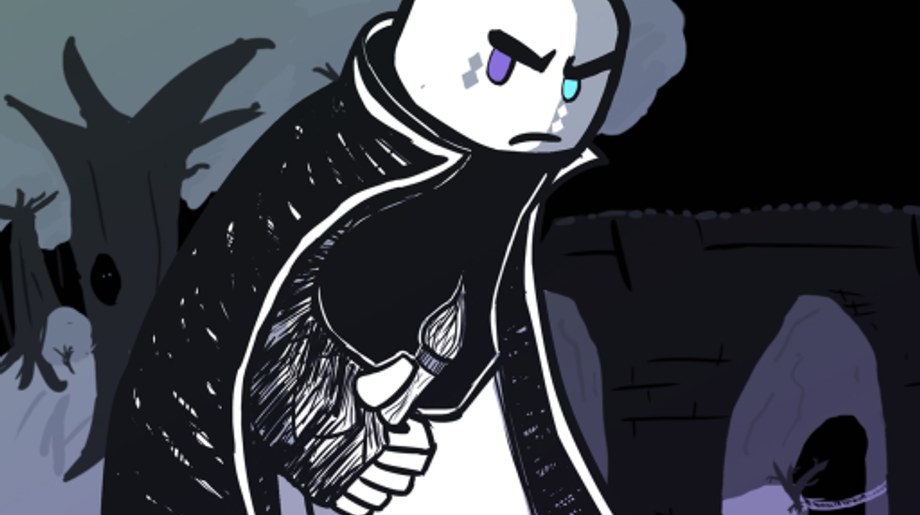
In Rogue Lineage, a House is more than a guild tag. It is the main social machine that lets players forge lasting identities across short, permadeath lives. The official game description tells you to forge houses with friends to take control of cities — or stick it out alone. This guide explains what that means in practice: who leads, how surnames work, how to join or create a house, why cities matter, and how betrayal can erase weeks of progress in one grip.
If you are brand new, skim Getting Started and How to Survive first. Houses amplify both safety and danger. You want the basics before you swear a surname.
What a House actually is
A House is a player organization. One character sits at the top as Lord or Lady. Everyone else is an underling / member invited into that structure. On public servers, house identity shows through shared surnames — when a lobby fills with the same last name, you are looking at a flood or a strong presence, not a coincidence.
Houses exist because Rogue Lineage is brutal alone. Limited lives, injuries, diseases, trauma, and constant PvP mean information and backup win fights that raw mechanical skill cannot. A house can:
- Share callouts on gankers, bounty targets, and trainers.
- Escort freshies through early silver and mana routes.
- Coordinate jails (rots) or grips for alignment goals.
- Hold cities and control who feels safe spawning nearby.
- Stack numbers until outsiders leave the server.
None of those benefits are free. Houses expect loyalty, labor, or both.
Lords, Ladies, and the signet ring
The Lord or Lady owns the house. Community documentation describes a signet ring used to invite players by clicking them with the ring equipped — reportedly with very long range. The leader also receives mechanical perks; notably, Lords take reduced physical damage from their own underlings’ attacks, which matters during chaotic fights and accidental team hits.
Leadership is political as much as mechanical. A Lord who floods every server for free grips creates a different culture than a Lord who runs quiet mentor nights. Before you accept an invite, watch how the leadership talks about freshies, enemies, and “trust tests.”
Surnames as intelligence
Your house surname is a billboard. Allies recognize you. Enemies mark you. Neutrals decide whether to run. Learn to read surnames the moment you load in:
- Matching surnames everywhere → flood risk; leave unless you belong.
- Mixed surnames with one loud house pocket → contested city / hunting ground.
- No repeats → more organic public server; still not safe.
Never assume a matching surname is automatically friendly if you are not in that house. Impersonation and lookalike situations are rare compared to simple mistaken trust, but the safer rule is: confirm in Discord voice or house chat before you drop your guard.
Joining a House
You join when a Lord or Lady invites you. In practice, most recruiting happens outside the place — through Discord advert channels tied to the official community — and is finalized in-game with the ring.
Before you accept:
- Confirm the house name, Lord / Lady, and Discord.
- Ask whether they flood public servers.
- Ask what freshies owe in the first week (scouting, silver, grips, nothing).
- Ask whether they protect neutrals / orderly / chaotic members differently.
- Keep a personal stash plan; do not bank your whole future on one invite.
After you join, learn the house’s rules for gripping members. Community testing notes that gripping house members does not grant chaotic the way gripping outsiders does, while soul-ripping interactions can still move alignment. Know your house’s internal PvP rules before you “practice” on friends.
Creating a House
Creating a house is an endgame-adjacent social unlock, not a day-one button. Community guides consistently state you need to be an Ultra to found a house. Older day requirements have been removed or changed over time; Khei has had separate day-testing notes (including reports around a 20-day expectation there). Always re-check current requirements in official Discord when you are close, because house creation rules have shifted across eras.
Creation flow (Gaia / classic path described by community wiki):
- Reach the NPC associated with house creation near the Crypt of Kings area (down the hole; climbing helps).
- Meet the Ultra (and any current day) requirements.
- Found the house, receive leadership tools, invite carefully.
Important caution from community docs: if you create a house and disband it on the same character, you may be blocked from making another house on that character. Treat founding as a commitment, not a toy.
In Khei, creation is described as involving NPCs in the Grand Archive instead — another reminder that the world layer you are in changes the checklist.
City control and why houses fight for space
“Take control of cities” is not flavor text. When a house holds a city, they control tempo: who shops safely, who gets hunted at the gate, who can jail in peace, and which trainers feel reachable. City control also feeds progression loops — orderly houses farm rots, chaotic houses farm grips, mixed houses run protection rackets for their own members.
House-linked combat quirks matter in these fights. Some buffs (community examples include Hyper Body-style effects) can apply to nearby house members with reduced power as more people are affected, and may refuse to help non-members. That turns a three-person house pocket into a different fight than three random allies.
If you are not in the controlling house, treat a dominated city like enemy territory: buy what you need, leave, and do not emote in the open.
Friend groups vs true solo
Friend stack (informal): two to five trusted players without a formal house. Lower politics, still huge survival gains. Great while you learn.
Formal house: surname, Lord, Discord hierarchy, possible floods, city goals. Higher power ceiling, higher betrayal surface.
True solo: maximum freedom, minimum rescue. Viable if you master hot zones, alignment, and disengage timing from How to Survive.
Many strong players do both across lives: solo a freshie to Super, then join a house for Ultra pushes.
Betrayal risks (read this twice)
Permadeath makes betrayal profitable. Common patterns:
- Bait invites that lead you into a grip lobby.
- Trust-test scams demanding items before “full membership.”
- Internal politics where officers sacrifice underlings for someone else’s ultra quest.
- Flood farming where the house uses numbers to farm outsiders — and sometimes disposable members.
- Alignment traps pushing you into chaotic grips when you needed orderly (or the reverse).
Mitigations: verify leadership on official-adjacent Discord, never dump your entire silver/item progress for an invite, keep a solo logout plan, and track your own class goals with the Alignment Tracker so nobody “accidentally” steers your ethics.
How houses help freshies (when they are good)
A healthy house can transform the first hours:
- Call out safe trainers and shop routes.
- Teach mana and movement tech without griefing you for fun.
- Escort you away from known gank corridors.
- Explain whether your race roll should go orderly or chaotic for the class you want — see Races and Classes.
- Park you in quieter servers instead of vanity floods.
Use the Freshie Checklist as your personal agenda even inside a house. Allies help; they should not replace your brain.
Practical joining script
- Finish a basic survival loop from Getting Started.
- Pick a class direction and alignment goal.
- Browse house adverts via official Discord pathways (see Links Hub).
- Ask the five questions listed above.
- Accept invite, learn surname etiquette, and set boundaries.
- Re-evaluate after three deaths — if every death is “friendly fire politics,” leave.
Related pages
- Players Hub — playstyles and group-finding overview
- Getting Started — first-life fundamentals
- How to Survive — hot zones and disengage habits
- Alignment Tracker — orderly / chaotic planning
- Ashen Canyon — do not drag an unprepared house into a brand-new area blind
Houses are the reason Rogue Lineage feels like a living medieval gang simulator instead of a single-player death loop. Join thoughtfully, lead carefully, and remember: the surname that protects you today can mark you for hunting tomorrow.
Frequently Asked Questions
Quick answers for Rogue Lineage players.
Who can create a House?
Community guides say you need Ultra class status. Day requirements have changed over time, and Khei has had separate testing notes — confirm current rules in official Discord before you trek to the NPC.
How do I join a House?
A Lord or Lady must invite you, typically with the signet ring. Most serious recruiting starts in Discord, then finishes in-game.
What does a flooded server mean?
A flood is when many players with the same house surname stack one server. It helps the house control space and can make the lobby extremely dangerous for outsiders.
Can house members grip each other for chaotic?
Community testing reports gripping house members does not grant chaotic the normal way, while some soul-rip interactions still can. Follow your house rules and verify on current patches.
Should I found my own House as a freshie?
No. Survive, learn classes, reach Ultra, then found if you can lead. Early on, join carefully or play with a small friend stack instead.